
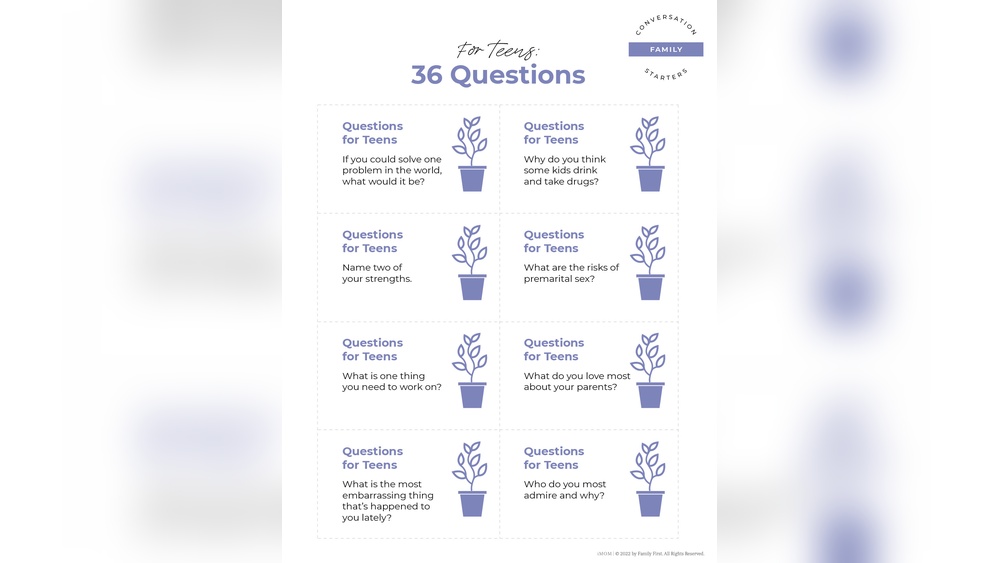
Talking with teens can feel difficult, even for adults who are comfortable with conversation. Sometimes, teens seem closed off or uninterested. But the truth is, most teens want to connect—they just don’t always know how. The right conversation starters can open doors, break down barriers, and build trust. Whether you’re a parent, teacher, counselor, or friend, learning how to spark meaningful talks with teenagers is a powerful skill.
Why does this matter? Today’s teens face a world full of information, but not always genuine connection. Social media, school stress, family changes, and peer pressure can all make communication harder. Studies show that positive conversations help teens feel understood, make better choices, and boost their self-esteem.
In fact, the American Psychological Association found that regular supportive talks reduce anxiety and improve emotional health in teens.
You might worry about awkward silences or “one-word answers.” That’s normal. The good news is, with the right approach, you can turn brief chats into real discussions. This article will guide you through teen conversation starters, practical tips, real examples, and common mistakes to avoid. You’ll get strategies for different situations, learn how to use humor, and discover how to handle tough topics. Let’s unlock the art of talking to teens—one question at a time.
Why Conversation Starters Matter For Teens
Starting a conversation with a teen isn’t just about small talk. It’s about trust, understanding, and growth. Teens are in a stage where they want independence but still need guidance. When adults ask thoughtful questions, teens feel valued and heard.
It’s a simple act, but it can change relationships.
Data shows teens who have regular conversations with adults are more likely to:
- Avoid risky behaviors
- Perform better in school
- Develop stronger social skills
For example, a 2022 survey by Pew Research Center found that 68% of teens who talk openly with adults report higher happiness levels. But nearly 4 in 10 teens say they rarely have meaningful talks with adults at home or school.
This gap shows how important it is to create opportunities for conversation.
Conversation starters help break the ice. They show teens you care, and that you’re interested in their opinions. Even a simple question can open up deeper discussions.
How To Approach Teen Conversations
Before asking any question, think about your tone and timing. Teens can sense when a conversation is forced or rushed. Here are practical steps to create the right environment:
1. Pick The Right Moment
Avoid starting big talks during stressful times. Try after dinner, on a walk, or during a car ride.
2. Stay Calm And Open
Use a relaxed voice. Avoid sounding judgmental or impatient. Teens respond better to calm, friendly faces.
3. Listen More Than You Speak
Let the teen finish their thoughts. Don’t interrupt. This builds trust and shows respect.
4. Keep Questions Simple
Use short, clear questions. Complicated language can confuse or overwhelm teens.
5. Follow Up Naturally
If you get a short answer, ask “Why? ” or “Can you tell me more? ” This encourages deeper conversation.
6. Respect Privacy
Some topics feel sensitive. If a teen doesn’t want to talk, don’t push. Let them know you’re there when they’re ready.
These simple strategies make starters much more effective. The goal is a genuine back-and-forth, not an interrogation.
Creative Conversation Starters For Teens
Finding the right question can be tricky. Here are some creative conversation starters to use with teens, divided by topic. These are designed to spark interest and lead to meaningful talks.
Everyday Life
- What was the best part of your day?
- If you could change one thing about school, what would it be?
- What’s something new you learned this week?
- Who made you smile today?
- What’s your favorite way to relax after a busy day?
Hobbies And Interests
- What’s a hobby you wish you had more time for?
- Which song do you have on repeat right now?
- If you could master any skill instantly, what would it be?
- Who is your favorite athlete/artist/creator, and why?
- What’s the coolest thing you’ve built, made, or drawn?
Future Plans
- What job would you like to try for one day?
- If you could travel anywhere, where would you go?
- Where do you see yourself in five years?
- What’s one thing you want to achieve before you turn 20?
- What are you most excited about for next year?
Social And Emotional Topics
- What’s something people misunderstand about you?
- How do you handle stress?
- Who do you turn to when you need advice?
- What makes you feel confident?
- What’s your biggest worry right now?
Fun And Lighthearted Questions
- If you could have any superpower, what would it be?
- What would you do with a million dollars?
- If you could swap lives with anyone for a day, who would it be?
- What’s the weirdest food you’ve ever tried?
- If you were invisible for a day, what would you do?
These questions work because they’re open-ended. They invite stories, opinions, and feelings—not just “yes” or “no” answers.
Conversation Starters For Different Situations
Not every starter fits every moment. Let’s look at examples for specific situations.
During Family Meals
Meals are a great time for relaxed talks. Try:
- What’s one thing you’re grateful for today?
- Did anything funny happen at school?
- If you could invite anyone to dinner, who would it be?
On Car Rides
Car rides are perfect for casual conversations. Teens may feel less pressure because they don’t need eye contact.
- What’s your favorite playlist right now?
- If you could drive anywhere, where would you go?
- What’s the best road trip memory you have?
After School
Teens often want to unwind. Start with simple questions.
- How was your day?
- Did anything surprise you at school?
- What was the hardest subject today?
When Teens Seem Upset
Approach gently. Focus on feelings, not fixing.
- Do you want to talk about what happened?
- How can I help right now?
- Is there anything you wish people understood about how you feel?
When Discussing Difficult Topics
Some issues need careful handling. Use soft, non-judgmental starters.
- What do you think about what’s happening in the news?
- How do you feel about changes at home/school?
- Is there anything worrying you lately?
The right question makes teens feel safe, not pressured. Sometimes, just being present is enough.
Examples Of Deep Conversation Starters
If you want to go beyond small talk, try these deep conversation starters:
- What does “success” mean to you?
- How would you describe your ideal friend?
- What’s the most important lesson you’ve learned so far?
- Is there a dream you’ve never told anyone?
- What’s a mistake you made that taught you something valuable?
These invite teens to reflect and share their values. They help build stronger connections and trust.
Using Humor To Break The Ice
Humor is a powerful tool for talking to teens. It lowers defenses and makes conversations feel easy. Studies show teens respond well to adults who can laugh and joke. But it’s important to use humor carefully—never at the teen’s expense.
Here are some playful starters:
- If animals could talk, which would be the funniest?
- What’s the silliest thing you’ve ever done?
- If you had to eat only one food for a year, what would it be?
- Would you rather always speak in rhymes or sing everything you say?
Adding humor shows you don’t take yourself too seriously. It encourages teens to relax and open up.
Data Table: Most Effective Conversation Topics For Teens
Research shows teens respond best to certain topics. Here’s a comparison:
| Topic | Interest Level (%) | Likelihood to Open Up (%) | Example Starter |
|---|---|---|---|
| Hobbies | 84 | 77 | What’s your favorite way to spend free time? |
| Personal Goals | 71 | 66 | What’s one thing you want to achieve this year? |
| Family | 63 | 58 | Who in your family inspires you? |
| School | 54 | 49 | What’s the best thing about your school? |
| Current Events | 39 | 30 | What news story caught your attention? |
Notice how hobbies and personal goals top the list. Teens are more likely to talk about things that affect them directly.
Comparison Table: Open-ended Vs. Closed-ended Questions
Choosing the right type of question is key. Here’s how open-ended and closed-ended questions compare:
| Question Type | Typical Response | Conversation Depth | Example |
|---|---|---|---|
| Open-Ended | Detailed, personal | High | What made you feel proud today? |
| Closed-Ended | Short, often “yes/no” | Low | Did you have a good day? |
Open-ended questions encourage stories and opinions. Closed-ended questions can stop conversation quickly.
Digital Conversation Starters For Teens
Today, many teens prefer texting or online chats. Digital conversations have unique challenges, but also opportunities. Texts allow teens to respond at their own pace, which can make them feel safer.
Here are some digital conversation starters:
- What meme made you laugh today?
- Is there a video you think everyone should see?
- What’s the best thing about being online?
- Who’s your favorite social media creator?
- If you could create your own app, what would it do?
A 2023 study found that 72% of teens feel more comfortable sharing personal thoughts online than in person. But adults should stay aware of privacy and safety issues.
Tips For Sustaining Teen Conversations
Starting is just the first step. Keeping the conversation going is the real challenge. Here are strategies that help:
1. Show Genuine Interest
React to what the teen says. Ask follow-up questions based on their answers.
2. Share Your Own Stories
Teens like hearing about your experiences. It makes the conversation feel balanced.
3. Use Active Listening
Repeat back what you heard. For example: “So you felt frustrated when your team lost?”
4. Avoid Judging Or Lecturing
Teens shut down if they feel criticized. Focus on understanding, not correcting.
5. Be Patient
Sometimes, teens take time to open up. Allow pauses and silence.
6. Celebrate Small Wins
If a teen shares something personal, thank them for trusting you.
Most adults miss one insight: teens often answer in short bursts at first. They may test if you’re really listening. If you respond positively and patiently, they’ll share more next time.
Common Mistakes When Talking To Teens
Even well-meaning adults can make errors. Here are mistakes to avoid:
- Asking too many questions at once
This feels overwhelming. Stick to one question at a time.
- Using slang or trends incorrectly
Trying too hard to sound “cool” can backfire. Teens notice when language feels forced.
- Ignoring body language
If a teen seems uncomfortable, pause or switch topics.
- Turning conversation into a lecture
If every question leads to advice, teens will stop sharing.
- Getting defensive
If a teen disagrees, don’t argue. Stay open and curious.
Another non-obvious insight: many teens prefer indirect questions. Instead of “How are you?” try “What’s something that made you laugh today?” It feels less intrusive.
Encouraging Group Conversations
Talking one-on-one is good, but group conversations can build social skills. Use starters that include everyone.
- What’s the funniest thing that’s happened to our group?
- If our group could go anywhere, where would we go?
- What’s one thing you wish everyone knew about you?
Group conversations help shy teens feel included. They also teach listening and empathy.
Table: Conversation Starters By Personality Type
Teens have different personalities. Matching your questions to their style improves results.
| Personality Type | Recommended Starter | Why It Works |
|---|---|---|
| Introverted | What’s your favorite book or movie? | Focuses on interests, less pressure |
| Extroverted | What’s the best event you’ve attended? | Encourages sharing experiences |
| Creative | If you could invent anything, what would it be? | Invites imaginative thinking |
| Analytical | What’s a problem you solved recently? | Appeals to logic and achievement |
Adapting your starters to the teen’s personality shows respect and increases engagement.
Conversation Starters For Sensitive Topics
Some issues—like mental health, bullying, or relationships—need extra care. Don’t rush or push. Use gentle, open questions:
- How are you feeling about everything lately?
- Is there something that’s been bothering you?
- What helps you feel better when you’re upset?
- Do you want to talk about what’s going on with your friends?
If a teen shares sensitive information, stay calm. Listen without interrupting. Only offer advice if they ask for it.
Conversation Starters For Parents And Teens
Parent-teen talks are often tricky. The right starter can help both sides understand each other.
- What’s one thing you wish I understood better?
- How can I support you more?
- What’s something you wish we did together?
- What’s your favorite family memory?
- Is there a rule you think needs changing?
Parents often forget that teens want respect. Asking for their opinion builds trust.
Conversation Starters For Teachers And Teens
Teachers play a key role in teen development. Good questions can help students feel safe and motivated.
- What’s your favorite thing to learn about?
- What’s a skill you wish school taught?
- How do you feel about your classes this year?
- Is there a project you’re excited about?
- What helps you stay motivated?
Teachers should avoid yes/no questions and focus on experiences. This helps students feel seen and heard.
Conversation Starters For Teen Friendships
Friends are the most important relationship for many teens. Help them build stronger bonds with these starters:
- What’s your favorite memory together?
- If you could plan a dream trip, where would you go?
- What’s something you admire about your friends?
- What’s a challenge you overcame together?
- How do you support each other during tough times?
Encouraging teens to share positive stories strengthens their friendships.
Conversation Starters For Counselors And Teens
Counselors need to build trust quickly. Use starters that focus on feelings and goals.
- What’s something you want to change in your life?
- How do you feel about your relationships?
- What makes you feel proud?
- What are your biggest strengths?
- Is there a goal you want help with?
Counselors should listen deeply and avoid leading questions.
Practical Examples Of Conversation Flow
A good starter is just the beginning. Here’s a sample conversation:
Adult: What Was The Best Part Of Your Day?
Teen: Lunch with friends.
Adult: What Made It Special?
Teen: We tried a new food and laughed a lot.
Adult: What Was The Food?
Teen: Sushi. It was weird but fun.
Adult: Would You Try It Again?
Teen: Maybe. Depends on what kind.
Notice how each answer leads to a new question. This keeps the talk lively and natural.
Using Technology To Enhance Conversations
Apps and online platforms can help adults and teens communicate. For example, some families use shared journals or chat groups to stay in touch. Teachers use discussion boards for classroom talks. Counselors use video calls for private conversations.
One useful resource is Psychology Today, which offers advice on teen communication. Always use technology safely and respectfully.
Frequently Asked Questions
How Can I Get A Shy Teen To Talk?
Start with simple, low-pressure questions about their interests. Give them time to answer. Avoid putting them on the spot or expecting instant replies. Sometimes, sharing your own story first helps break the ice.
What If A Teen Gives Only Short Answers?
Stay patient. Follow up with gentle questions like “Can you tell me more? ” or “Why do you feel that way? ” Sometimes, teens need time to trust you before they open up.
Are There Conversation Starters For Tough Topics Like Mental Health?
Yes. Use soft, open questions such as “How are you feeling lately? ” or “Is something bothering you? ” Listen without interrupting. If needed, offer support or professional help.
How Do I Avoid Sounding Like I’m Lecturing?
Focus on understanding, not correcting. Ask for opinions, not just facts. Share your own experiences and admit when you don’t know something. Avoid giving advice unless asked.
Can Technology Help Me Talk To Teens?
Definitely. Texting, online chats, and apps can help teens feel comfortable. Use technology to share stories, ask questions, and stay connected. But always respect privacy and set healthy boundaries.
Having meaningful conversations with teens isn’t always easy—but it’s always worth it. The right conversation starters can build trust, encourage growth, and help teens feel valued. Whether you’re a parent, teacher, counselor, or friend, use these tools to unlock deeper talks. Remember: patience, humor, and respect are your best guides. Every teen is different, but every teen wants to be heard. Start the conversation today, and you’ll see the difference tomorrow.
